
Why late summer is a natural moment to check in with your hormones
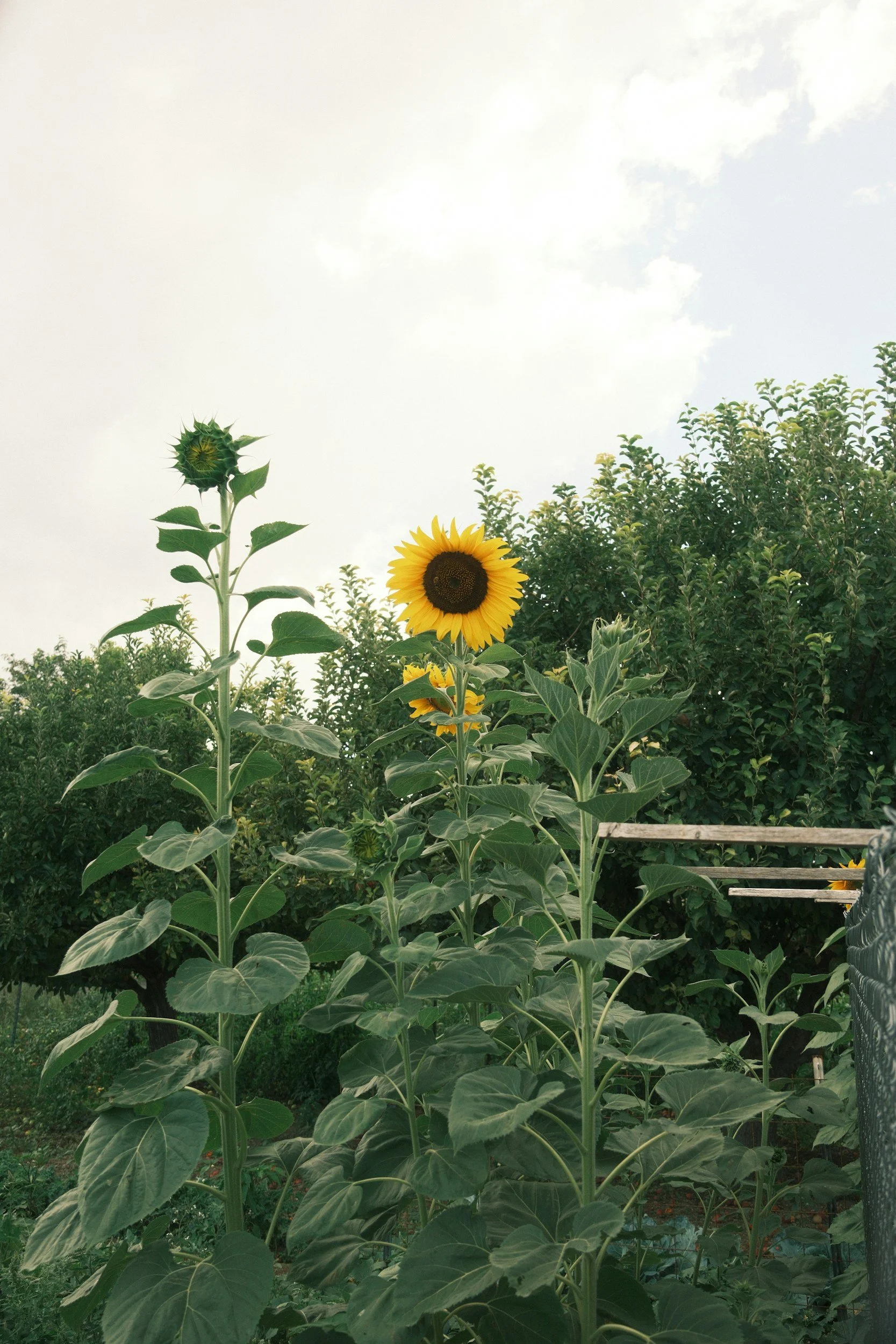
Late summer holds a different kind of energy than the rest of the year. In Chinese medicine, it’s considered its own season; the pause between the outward expansion of summer and the inward contraction of fall, governed by the Earth element and connected to the Spleen and Stomach. This is a season of transition, and transitions ask something of our bodies: more grounding, more nourishment, more attention to digestion as the literal and metaphorical seat of how we process our lives.
It’s also natural moment to slow down and check in with what’s sustaining you — and for a lot of my patients, that check-in leads straight to hormones.
Hot flashes. Irregular cycles. Cramps that derail your week. PMS that shows up like clockwork. These aren’t things that you have to just live with, and they’re one of the areas where acupuncture has the most to offer. Hormonal balance isn’t a side effect of treatment, it’s often the whole point.
How acupuncture supports hormonal balance
It targets the systems that regulate hormone production. Point selection isn’t random; specific points are chosen because of their relationship to the endocrine system, the network of glands that governs how your hormones are produced and released. Regular treatment gives that system consistent input to work with.
It improves circulation. Hormones have to travel to do their job, and better blood flow means better delivery — to the ovaries, to the tissues that depend on hormonal signaling, to the systems that are struggling to keep up. This is part of why circulation-focused treatment shows up so often in cycle-related care.
It addresses the stress piece directly. Chronic stress is one of the most common (and most overlooked) disruptors of hormonal balance. Acupuncture has a well-documented effect on the nervous system, helping shift the body out of fight-or-flight and into a state where regulation is actually possible. If your hormones are out of balance and your stress is also out of control, treating one without the other rarely gets you all the way there.
It’s built around your specific symptoms. Whether you’re navigating irregular periods, perimenopause, fertility support, or something else entirely, treatment isn’t one-size-fits-all. We build a plan around what’s actually going on for you — your history, your symptoms, your goals — rather than a generic protocol.
It looks at the underlying pattern, not just the symptom. Rather than treating hot flashes or cramps in isolation, the goal is to understand why the imbalance is happening in the first place. That’s usually where the more durable, longer-term shifts come from.
What to expect
Hormonal patterns don’t usually shift in a single session. Most patients notice changes gradually, over a series of treatments, as the underlying pattern starts to move. If you’re earlier in a cycle-related issue, that timeline is often shorter; if it’s something that’s been building for years, it takes longer to unwind. Part of our first visit together is talking through what a realistic timeline looks like for your specific situation.
Late summer’s emphasis on grounding and nourishment makes it a good entry point if you’ve been putting this off — there’s something fitting about starting hormonal work during the one season of the year built around finding steady footing before the next shift arrives.
If you’re dealing with any of these symptoms and want to talk through what treatment could look like for you, book an appointment — I’d love to help you figure out where to start.
